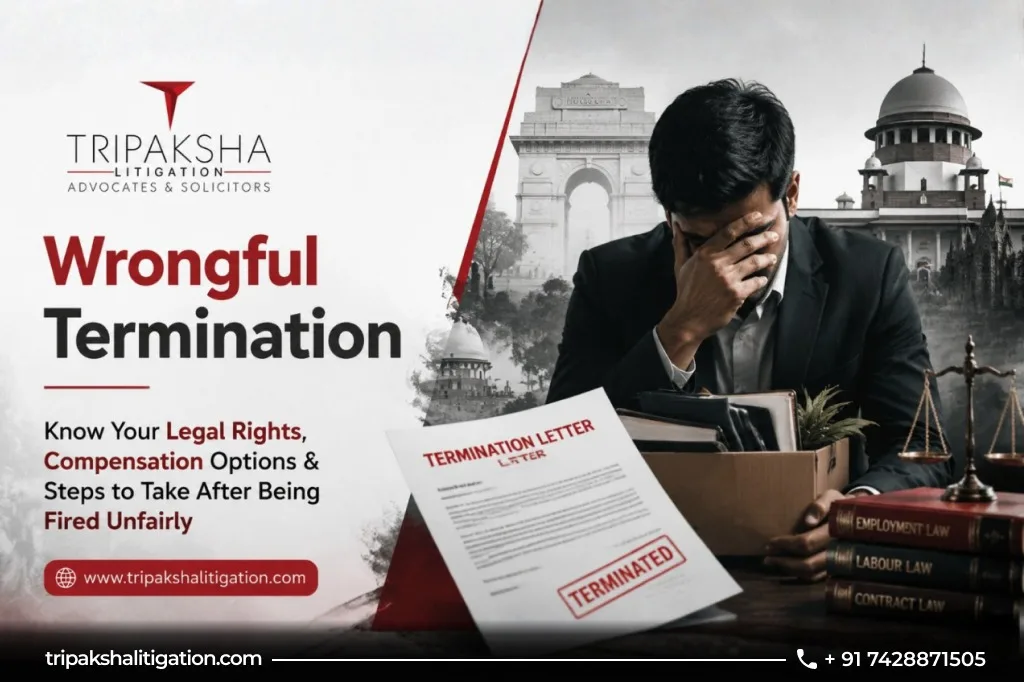
Wrongful termination can cost you your income, career and financial security—but employers cannot dismiss employees arbitrarily. Know when a termination becomes illegal, the compensation you may be entitled to, and the legal remedies available under Indian law.
NEW DELHI: Losing a job can be one of the most difficult experiences in a person’s life. Apart from the immediate loss of income, an unexpected termination may affect financial stability, professional reputation and future career opportunities. For many employees, the first question after being dismissed is whether the employer was legally entitled to terminate their services.
While employers have the right to terminate employees for genuine reasons such as misconduct, poor performance or business restructuring, that right is not absolute. Indian employment laws require employers to comply with the applicable legal framework, the terms of the employment contract and, where necessary, the principles of natural justice. A termination that violates these requirements may amount to wrongful termination, giving the employee the right to seek appropriate legal remedies.
The relief available depends on several factors, including the nature of employment, the applicable law and the circumstances leading to the dismissal. In appropriate cases, an employee may be entitled to notice pay, statutory benefits, compensation or other remedies recognised by law.
Understanding your legal rights after an unfair dismissal is just as important as understanding an employer’s right to terminate employment. In this article, we explain what wrongful termination means, when it becomes unlawful, the remedies available under Indian law and the practical steps employees should take after being fired unfairly.
What Law Governs Wrongful Termination in India?
There is no single legislation in India that governs every case of wrongful termination. The rights of an employee depend on the nature of employment, the terms of the employment contract and the applicable legal framework. Employees classified as workmen are primarily protected under the Industrial Disputes Act, 1947 (and the Industrial Relations Code, 2020, once brought into force), while other employees may rely on their employment contracts, applicable State Shops and Establishments Acts, service rules or other relevant laws.
What is Wrongful Termination?
Wrongful termination refers to the unlawful dismissal of an employee in violation of the applicable law, the employment contract or the mandatory procedure an employer is required to follow before ending employment.
Not every dismissal amounts to wrongful termination. Employers are generally entitled to terminate employees for legitimate reasons, provided they comply with the applicable legal requirements. However, where an employer acts arbitrarily, breaches contractual obligations or ignores mandatory legal safeguards, the termination may be challenged before the appropriate authority.
Being asked to leave your job without warning does not automatically mean your employer acted within the law.
When Does Termination Become Wrongful?
An employer cannot terminate an employee in an arbitrary or unfair manner. While every termination is based on its own facts, a dismissal may become wrongful where it violates the applicable law, the employment contract or the mandatory procedure required to be followed.
Some of the most common situations are discussed below.
Termination Without Following Due Process
Where an employee is dismissed for alleged misconduct, employers are generally expected to follow a fair procedure before taking disciplinary action. Ignoring the prescribed process or denying the employee an opportunity to respond may render the termination legally challengeable.
Termination in Breach of the Employment Contract
The employment contract governs the rights and obligations of both parties. If an employer terminates an employee without complying with the agreed notice period, termination clause or other contractual conditions, the employee may be entitled to seek appropriate legal remedies.
Termination in Violation of Labour Laws
Employees protected under labour laws are entitled to certain statutory safeguards. Failure to comply with mandatory legal requirements relating to notice, retrenchment compensation or other procedural obligations may make the termination unlawful.
Discriminatory or Retaliatory Termination
An employer cannot terminate an employee solely because they exercised a legal right or raised genuine concerns regarding workplace issues. A dismissal based on unlawful discrimination or retaliation may be challenged before the appropriate authority.
Termination Without a Valid Reason
Although employers may terminate employees for legitimate business reasons, arbitrary dismissals without a lawful basis may invite judicial scrutiny. Whether such termination is illegal depends on the facts of each case and the applicable legal framework.
What Legal Remedies Are Available After Wrongful Termination?
The remedies available after a wrongful termination depend upon the nature of employment, the applicable law and the facts of each case. While every employee may not be entitled to the same relief, Indian law provides several remedies where a termination is found to be unlawful.
Some of the most common remedies are discussed below.
Notice Pay
If an employer terminates an employee without serving the required notice period or paying salary in lieu of notice, the employee may be entitled to recover the notice pay, subject to the terms of the employment contract and the applicable law.
Compensation
Where a termination is found to be illegal or in breach of the employment contract, the employee may seek compensation. The amount awarded depends on factors such as the nature of employment, the circumstances of the termination and the relief available under the applicable law.
Reinstatement
In certain cases, particularly where labour laws apply, the appropriate authority may direct the employer to reinstate the employee if the termination is held to be illegal.
However, reinstatement is not an automatic remedy. Courts consider the facts of each case before granting such relief.
Recovery of Statutory and Contractual Dues
Termination does not deprive an employee of benefits that have already accrued.
Depending on the applicable law and the terms of employment, an employee may still be entitled to receive unpaid salary, gratuity, provident fund, leave encashment, bonus and other lawful dues.
What Should You Do After Being Fired Unfairly?
The steps taken immediately after termination can significantly affect an employee’s legal rights. Acting without understanding the reason for dismissal or signing documents in haste may weaken a future legal claim.
If you believe that your termination was unfair, consider the following steps.
Understand the Reason for Your Termination
Carefully review your termination letter, employment contract and any communication received from your employer. Understanding the reason for your dismissal is the first step in determining whether the termination was lawful.
Preserve Important Documents
Keep copies of your appointment letter, employment contract, salary slips, performance reviews, emails, termination letter and any other documents relating to your employment. These records may become important if a legal dispute arises.
Avoid Signing Documents Without Reading Them
Employers may ask employees to sign resignation letters, settlement agreements or other documents at the time of termination. Before signing any document, ensure that you understand its contents and legal implications.
Seek Legal Advice
Not every termination is unlawful. An employment lawyer can examine the facts of your case, explain your legal rights and advise you on the most appropriate remedy available under the applicable law.
Approach the Appropriate Authority
Depending on the nature of your employment, you may be required to approach a Labour Court, Industrial Tribunal, civil court or another competent authority. Filing your claim before the appropriate forum is essential for protecting your legal rights.
Conclusion
Wrongful termination can have serious financial and professional consequences, but it does not automatically mean that an employer has acted within the law. Employers must comply with the applicable legal framework, the terms of the employment contract and, where necessary, the principles of natural justice while terminating an employee’s services.
Whether a termination is lawful depends on the facts of each case, the employee’s role and the applicable legal protections. If you believe that your employment has been terminated unfairly, seeking timely legal advice can help you understand your rights and the remedies available under law.
Since every employment dispute is unique, obtaining professional legal guidance at an early stage can significantly improve your ability to protect your interests and pursue the appropriate legal remedy
FAQs
- Can my employer terminate me without giving notice?
It depends on the terms of your employment contract and the applicable law. In many cases, employers are required to provide notice or salary in lieu of notice before terminating an employee’s services. - Can I challenge my termination in court?
Yes. If you believe that your termination was unlawful or in violation of your legal or contractual rights, you may challenge it before the appropriate court or authority, depending on the nature of your employment. - Can I claim compensation for wrongful termination?
Yes. Depending on the facts of the case and the applicable law, an employee may be entitled to compensation, notice pay, statutory benefits or other legal remedies. - Can I be reinstated in my job?
In certain cases, particularly where labour laws apply, the appropriate authority may order reinstatement if the termination is found to be illegal. However, reinstatement is not granted automatically and depends on the circumstances of each case. - Should I consult a lawyer after being wrongfully terminated?
Yes. Employment disputes involve legal and factual issues that vary from case to case. A legal professional can assess your situation, explain your rights and advise you on the most appropriate course of action.