Legal Articles

Victims Right to be heard during Trial
Legal Articles

Victims Right to be heard during Trial

A victim’s right to be heard during criminal proceedings is an important part of ensuring fairness and meaningful participation in India’s justice system. Victims may have opportunities to present their concerns, assist the prosecution through legally permitted procedures, and be heard in matters such as bail, compensation, and other decisions affecting their interests, subject to applicable law. Courts must balance these participatory rights with the accused person’s right to a fair trial and the public prosecutor’s role. The principle recognises that victims are not merely witnesses but individuals whose rights and interests deserve consideration throughout the criminal justice process.

Victims Right to be heard during Trial Read Post »

Landmark case analysis on Impounding of passport in 498A cases
Legal Articles

Landmark case analysis on Impounding of passport in 498A cases

Impounding a passport in a matrimonial cruelty case under the former Section 498A IPC raises important questions concerning personal liberty, the right to travel abroad, and the powers of investigating authorities and courts. The mere registration of a criminal case does not automatically justify confiscating or impounding an accused person’s passport. Under the Passports Act, 1967, passport impounding is generally governed by the powers of the designated passport authority, while courts may impose lawful travel-related conditions in appropriate proceedings. Judicial decisions emphasise that restrictions must have a proper legal basis and comply with procedural safeguards, balancing the investigation’s needs with individual rights.

Landmark case analysis on Impounding of passport in 498A cases Read Post »

Living with another woman not cruelty under Hindu Marriage Act
Legal Articles

Living with another woman not cruelty under Hindu Marriage Act – Circumstances Explained

Living with another woman does not automatically establish cruelty under the Hindu Marriage Act, 1955, as the legal determination depends on the facts, evidence, and circumstances of the matrimonial dispute. Courts distinguish between allegations of an extramarital relationship and conduct that satisfies the legal requirements for matrimonial cruelty. Factors such as emotional suffering, treatment of the spouse, marital obligations, and the overall impact of the conduct may be relevant. The principle highlights that cruelty must be assessed on the evidence in each case, rather than presumed solely from the existence of another relationship.

Living with another woman not cruelty under Hindu Marriage Act – Circumstances Explained Read Post »

Exemption from personal appearance in a criminal case in India
Legal Articles

Exemption from personal appearance in a criminal case in India

Exemption from personal appearance in a criminal case in India allows an accused person to seek permission from the court to be represented by a lawyer without attending every hearing. Courts may consider factors such as age, illness, distance, employment obligations, genuine hardship, and the nature of the proceedings before granting an exemption. However, exemption is not an automatic right, and the court may require personal attendance whenever necessary for a fair trial. The accused must comply with the conditions imposed by the court. These procedures are now primarily governed by the Bharatiya Nagarik Suraksha Sanhita, 2023 (BNSS), which replaced the CrPC on 1 July 2024.

Exemption from personal appearance in a criminal case in India Read Post »

How alimony is decided in India
Legal Articles

How alimony is decided in India?

Alimony in India is determined by considering the financial circumstances, needs, and responsibilities of both spouses rather than applying a fixed percentage or universal formula. Courts examine factors such as income, assets, earning capacity, standard of living during marriage, duration of marriage, age, health, financial liabilities, and responsibilities toward children or other dependants. Alimony may be awarded as periodic payments or a lump-sum amount, depending on the applicable law and circumstances. The purpose is to ensure fair financial support after separation or divorce while balancing the reasonable needs and financial capacity of both parties.

How alimony is decided in India? Read Post »

Legal aspects before you consider a baby
Legal Articles

Legal aspects before you consider a baby

Planning to have a child in India involves several legal considerations beyond personal and medical decisions. Prospective parents should understand laws concerning parental rights and responsibilities, maternity benefits, adoption, assisted reproductive technology, surrogacy, and the legal status of children. Eligibility requirements and procedures may differ depending on marital status, the method of parenthood, and applicable legislation. Understanding these legal aspects helps individuals and couples make informed decisions, protect their rights, and prepare for responsibilities involving child welfare, guardianship, financial support, and legal documentation.

Legal aspects before you consider a baby Read Post »

Maintenance To Educated And Earning Wife
Legal Articles

Maintenance To Educated And Earning Wife

An educated or earning wife is not automatically disqualified from receiving maintenance in India. Courts examine whether her actual income is sufficient to meet reasonable living expenses and maintain an appropriate standard of living, rather than relying solely on educational qualifications or employment status. Important considerations include both spouses’ income, earning capacity, financial obligations, lifestyle during marriage, and responsibilities toward children. However, maintenance is not guaranteed merely because one spouse earns more than the other. Courts assess the genuine financial needs and circumstances of both parties to determine whether maintenance is justified and, if so, the appropriate amount.

Maintenance To Educated And Earning Wife Read Post »

How Indian courts deal with international child removal cases from India
Legal Articles

How Indian courts deal with international child removal cases from India?

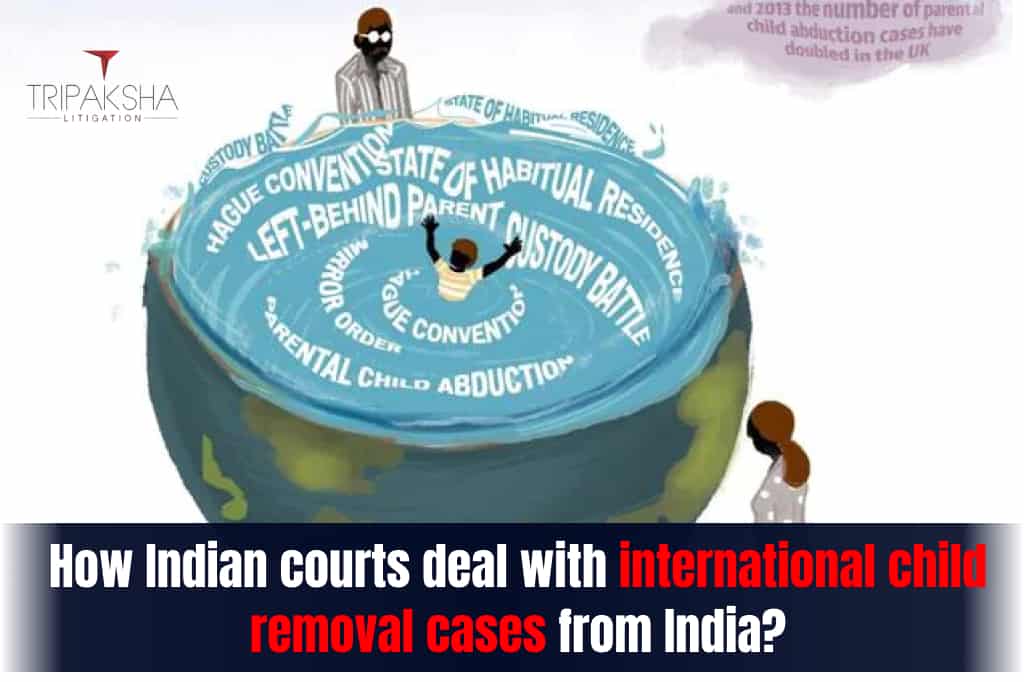
International child removal cases involving India arise when a child is taken or retained across national borders without the consent of a parent or in violation of existing custody arrangements. Indian courts primarily consider the child’s welfare and best interests, rather than automatically enforcing foreign custody orders. Relevant factors include the child’s habitual residence, safety, emotional well-being, existing custody arrangements, and relationship with both parents. Since India is not a party to the 1980 Hague Child Abduction Convention, these disputes are generally addressed through Indian custody laws, constitutional remedies, and judicial principles governing cross-border parental conflicts.

How Indian courts deal with international child removal cases from India? Read Post »

Drafting a Child Custody Petition
Legal Articles

Drafting a Child Custody Petition

Drafting a child custody petition in India requires presenting clear facts about the child’s welfare, existing care arrangements, and the custody or visitation relief requested from the court. A properly prepared petition generally includes details of the parents and child, relevant family circumstances, jurisdiction, grounds for seeking custody, and supporting documents. Evidence concerning the child’s education, health, safety, emotional needs, and relationship with each parent may be important. Courts give primary consideration to the best interests and overall welfare of the child, rather than treating either parent’s claim as automatically superior.

Drafting a Child Custody Petition Read Post »

Overview of RERA laws in India
Legal Articles

Overview of RERA laws in India

The Real Estate (Regulation and Development) Act, 2016 (RERA) was introduced to improve transparency, accountability, and consumer protection in India’s real estate sector. It requires eligible real estate projects and agents to register with the relevant state regulatory authority and establishes obligations concerning project disclosures, timely possession, use of buyers’ funds, construction quality, and contractual commitments. Homebuyers can seek remedies for issues such as possession delays, misleading information, and violations of statutory obligations, including applicable refunds, interest, or compensation. RERA also provides a dedicated framework for resolving disputes between homebuyers, promoters, and real estate agents.

Overview of RERA laws in India Read Post »

Recovery of Money proceedings in India
Legal Articles

Recovery of Money proceedings in India

Money recovery proceedings in India provide legal remedies for individuals and businesses seeking repayment of unpaid loans, outstanding invoices, contractual dues, or other recoverable debts. Depending on the nature of the claim, recovery may involve sending a legal notice, filing a civil recovery suit, initiating a summary suit under Order XXXVII CPC, arbitration, or using other applicable statutory procedures. Important evidence includes written agreements, invoices, bank statements, payment records, acknowledgments of debt, and correspondence. Claimants must also consider limitation periods, court jurisdiction, and the enforceability of the underlying obligation when pursuing recovery through legal proceedings.

Recovery of Money proceedings in India Read Post »

Spouse in Adultery cannot hide behind Right to Privacy in matrimonial case
Legal Articles

Spouse in Adultery cannot hide behind Right to Privacy in matrimonial case

The right to privacy cannot automatically prevent relevant evidence of alleged adultery from being considered in matrimonial proceedings in India. Courts may permit legally obtained evidence, including digital communications, photographs, or other records, when it is relevant to establishing adultery or another matrimonial ground. However, privacy remains a constitutionally protected right, and the admissibility of evidence depends on its relevance, authenticity, method of collection, and applicable legal safeguards. The principle seeks to balance individual privacy with a spouse’s right to present evidence and obtain a fair hearing in divorce or other matrimonial disputes.

Spouse in Adultery cannot hide behind Right to Privacy in matrimonial case Read Post »

Scroll to Top