
Section 483 BNSS

Can Supreme Court Grant Bail After High Court Rejection 2026
Legal Articles

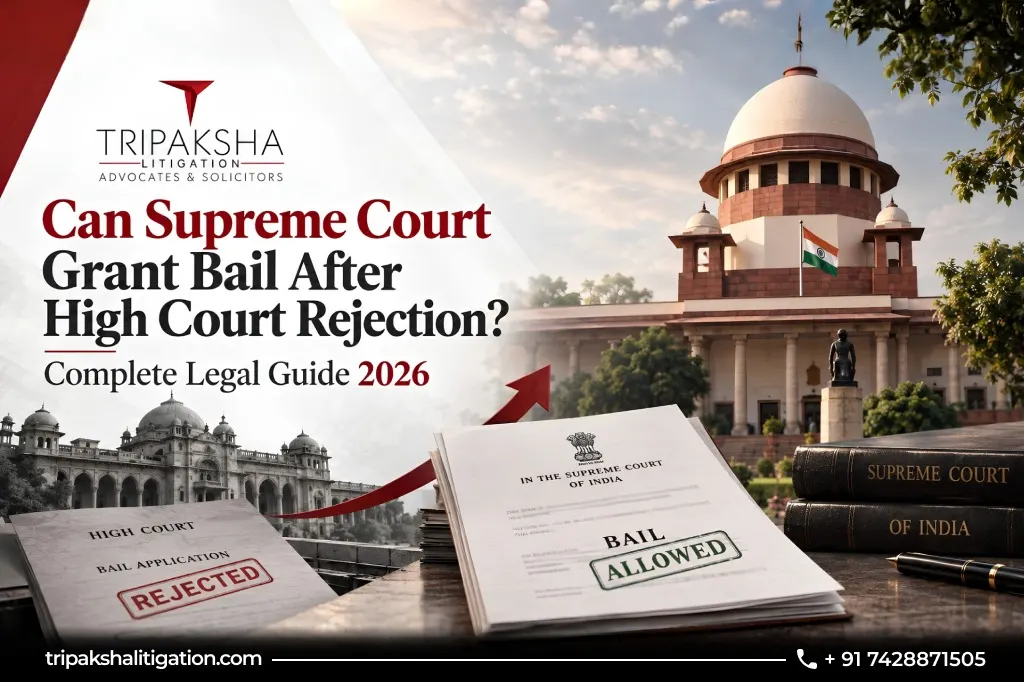
Can Supreme Court Grant Bail After High Court Rejection? Complete Legal Guide 2026

The Supreme Court can grant regular or anticipatory bail even after the High Court has rejected it, usually when approached through an SLP under Article 136 of the Constitution. However, bail is not automatic. The Court considers factors such as length of custody, completion of investigation, filing of the chargesheet, trial delay, cooperation of the accused, risk of witness interference, and errors in the High Court’s reasoning. A strong challenge should explain specifically why the High Court’s refusal requires Supreme Court intervention.

Can Supreme Court Grant Bail After High Court Rejection? Complete Legal Guide 2026 Read Post »
Bail Rejected By Trial Court What To Do Next 2026 Guide
Legal Articles

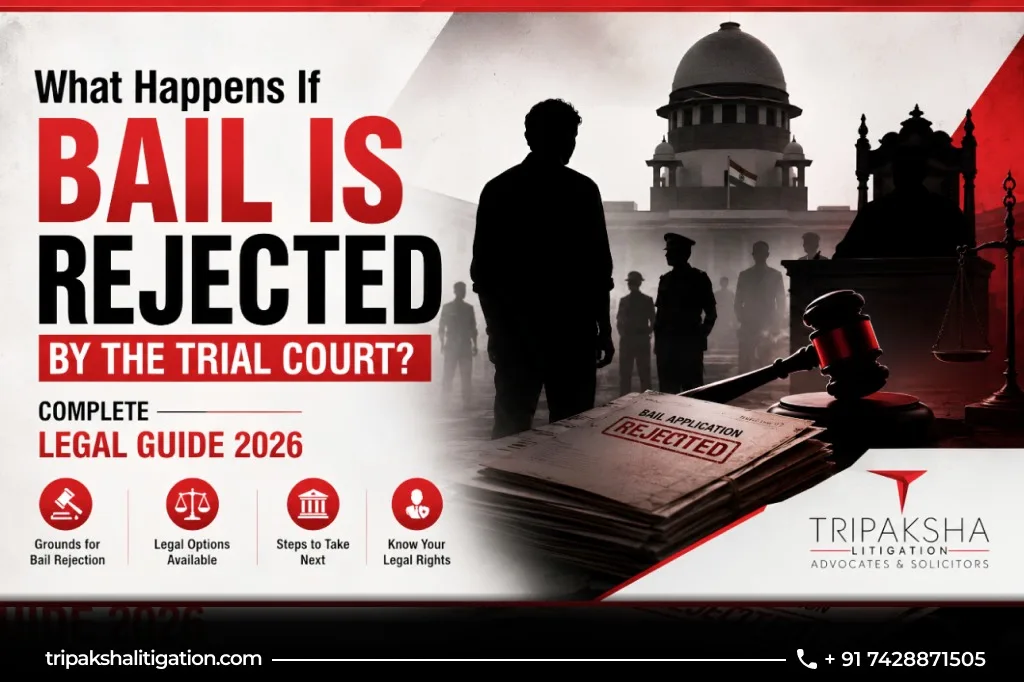
What Happens If Bail Is Rejected By The Trial Court? Complete Legal Guide 2026.

A Trial Court’s rejection of bail does not mean the accused is guilty or that further legal remedies are exhausted. Depending on which court rejected bail and the law governing the case, the accused may approach the Sessions Court or High Court under Section 483 BNSS. Fresh bail may also be sought when there is a material change in circumstances, such as completion of investigation, filing of the charge-sheet, prolonged custody, examination of key witnesses, or significant trial delay. Special laws such as NDPS, PMLA or UAPA may impose additional bail requirements.

What Happens If Bail Is Rejected By The Trial Court? Complete Legal Guide 2026. Read Post »

Scroll to Top